When the holiday season rolls around, executives often scramble to find the perfect way to say thank‑you to partners, clients, and employees. A chocolate hamper is a classic choice—rich, indulgent, and universally appreciated. But choosing the right hamper isn’t as simple as picking the biggest box of truffles. If you want your gift to leave a lasting impression, you need to consider several key factors. In this guide, we’ll explore what are the key factors in selecting a chocolate hamper for corporate gifting and how to make your choice stand out.
Understanding Your Audience
Who Will Receive the Hamper?
The first step is to profile your recipients. Are they long‑time clients, new prospects, or internal team members? Knowing their preferences, dietary restrictions, and cultural backgrounds will shape every decision that follows.
- Clientele: Likely appreciate premium, artisanal chocolates that reflect sophistication. Employees: May enjoy a mix of sweet and savory treats, especially if they have diverse tastes. Prospects: A balanced assortment can showcase your brand’s versatility and thoughtfulness.
Cultural Sensitivities
Chocolate is a global favorite, but some cultures have specific taboos. For example, in certain regions, chocolate containing dairy might not be acceptable for vegetarians or those with lactose intolerance. Including a clear label or a small card explaining the ingredients can prevent awkward moments.
> “The best gifts are those that bring joy without causing discomfort.” – Anonymous
Quality and Variety
The Golden Rule of Chocolate
When it comes to chocolate, quality matters more than quantity. A handful of high‑grade pieces can outshine an entire box of cheap truffles. Look for:
- Cocoa Content: Dark chocolate with 70% or higher cocoa is often appreciated by connoisseurs. Origin Stories: Single‑origin chocolates tell a narrative that can be a conversation starter. Artisanal Production: Handcrafted chocolates often carry a premium feel.
Diversifying the Selection
A well‑curated hamper balances flavors:
- Sweet: Classic milk chocolate, caramel-filled truffles. Bitter: Dark chocolate with sea salt or chili. Savory: Chocolate‑coated nuts or pretzels.
Including a small selection of non‑chocolate items—such as a tea sampler or a gourmet coffee—can broaden appeal without diluting the chocolate focus.
Presentation and Packaging
First Impressions Count
Packaging is the visual handshake of your gift. A tasteful box or basket conveys professionalism and attention to detail.
- Material: Choose sturdy, eco‑friendly cardboard or recycled paper to align with sustainability goals. Design: Incorporate your company logo subtly; avoid over‑branding that looks tacky. Color Palette: Classic black, gold, or deep burgundy exudes elegance.
Adding a Personal Touch
A handwritten note or a printed card with a brief message can transform a generic hamper into a memorable gesture. Consider including a short anecdote about why you chose this particular hamper, adding a human touch that resonates.
Timing and Logistics
When Is the Best Time to Deliver?
Boss giftsTiming can amplify the impact of your gift. Consider:
- Seasonal Relevance: Holiday hampers work best in December, while wellness‑focused treats can be sent in January. Event Alignment: Sending a hamper before a product launch or after a major milestone can reinforce positive associations.
Shipping Considerations
Chocolate is sensitive to temperature. To preserve freshness:
- Use insulated packaging with ice packs for warmer climates. Choose reliable couriers that guarantee on‑time delivery. Track shipments and notify recipients of expected arrival.
Budget and ROI
Balancing Cost and Impact
A corporate gift is an investment. Aim for a balance between budget constraints and the perceived value of the hamper.
- Cost per Unit: Factor in shipping, packaging, and handling. Bulk Discounts: Many suppliers offer reduced rates for larger orders. Return on Investment (ROI): A well‑chosen hamper can strengthen relationships, leading to repeat business.
> “In marketing, ROI isn’t just about numbers; it’s about the lasting impression left on a client’s mind.” – Marketing Guru
Measuring Success
Track metrics such as:
- Recipient Feedback: Simple surveys can gauge satisfaction. Business Outcomes: Monitor any uptick in sales or partnership renewals post‑gift. Brand Perception: Use social listening tools to detect mentions of your gifting initiative.
Personalization and Branding
Making the Hamper Yours
Personalization can elevate a generic hamper into a brand‑specific masterpiece.

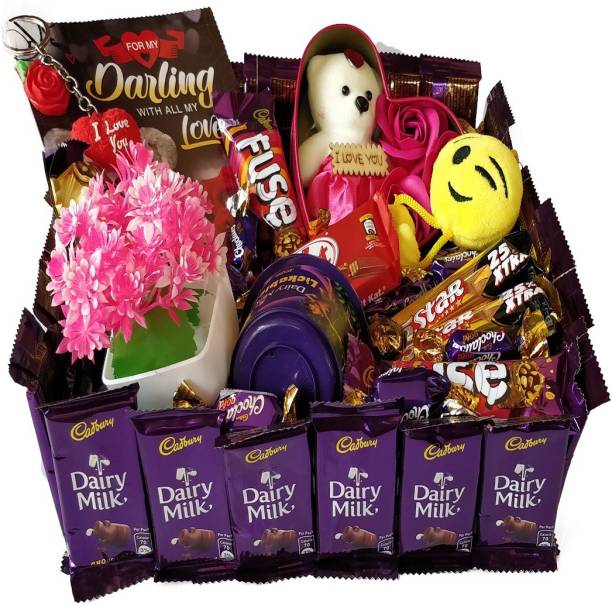
- Custom Labels: Print your logo or a short message on each chocolate wrapper. Themed Hampers: Align the selection with your brand’s color scheme or values (e.g., eco‑friendly chocolates for a sustainability‑focused company). Gift Cards: Include a voucher for a future purchase, encouraging ongoing engagement.
The Power of Storytelling
Your hamper can tell a story that aligns with your brand narrative. For instance, if your company prides itself on innovation, you might include chocolates with unconventional fillings—think lavender or matcha—to spark curiosity.
Making Your Selection Count
Choosing the right chocolate hamper for corporate gifting is a blend of art and strategy. By understanding your audience, prioritizing quality, presenting with style, timing delivery, managing costs, and personalizing https://penzu.com/p/ef75fbbe5b672458 the experience, you can turn a simple box of chocolate into a powerful business tool. Remember, the goal isn’t just to give sweets—it’s to sweeten relationships and leave a lasting taste of your brand in the minds of those who receive it.
So, next time you’re pondering what are the key factors in selecting a chocolate hamper for corporate gifting, start with the recipient, choose premium treats, wrap them beautifully, and add a personal touch. Your thoughtful gift will not only satisfy the palate but also strengthen the bonds that drive your business forward.