Chocolate is a fragile, yet delightful treasure that deserves a safe journey from Wholesale hampers factory to fork. Whether you’re shipping a gift for a loved one or delivering a premium bar to a boutique, keeping the cocoa’s texture, aroma, and flavor intact is a delicate dance. This guide explains the science, the packaging tricks, and the shipping tactics that will keep your chocolate as luscious as the day it left the melt‑room.
---
The Science Behind Chocolate Freshness
Chocolate’s quality hinges on a few key environmental factors. Understanding them is the first step toward protecting your sweet cargo.
Temperature and Texture
Chocolate is a temperature‑sensitive confection. When exposed to heat, it can develop a dull sheen called bloom—a white, chalky coating that’s all appearance, no flavor loss. Even a brief excursion above 70 °F (21 °C) can trigger this reaction.
- Ideal range: 55–60 °F (13–16 °C) for most commercial chocolate. Cooler than that? Risk of fat bloom, where cocoa butter rises to the surface. Warmer than that? Risk of milk bloom, where sugar crystals appear.
Humidity and Smell
High humidity can cause chocolate to become sticky or even moldy if left in a sealed container for too long. Moisture also encourages the chocolate’s aroma to dissipate, turning a fragrant bar into a flat one.
- Keep humidity below 60 % during storage and transit. Ventilation is key: an airtight seal protects from air but can trap moisture if the chocolate is already damp.
---
Packing Perfection
The right packaging turns a potential disaster into a safe haven. Think of it as a chocolate‑proof superhero cape.
Insulated Boxes
Insulation keeps temperature swings at bay. A well‑designed insulated box acts like a tiny greenhouse—stable inside, protected from the outside world.
- Materials: Expanded polystyrene (foam) or recycled cardboard with a thermal lining. Thickness: 1–2 inches (2.5–5 cm) is usually sufficient for short‑to‑medium distances.
Airtight Seal
An airtight seal prevents moisture and air from infiltrating. But beware: too tight a seal can trap humidity if the chocolate is already damp.
- Use vacuum‑sealed bags for added protection. Add a desiccant packet (silica gel) to absorb residual moisture.
Cooling Packs
Cooling packs keep the chocolate below its bloom threshold without freezing it.
- Use reusable gel packs that stay between 45–55 °F (7–13 °C). Position them around the chocolate, not on top, to avoid direct contact that could cause frostbite.
---
Shipping Strategies
Even the best packaging can be undone by the wrong shipping choices. Here’s how to navigate the logistics maze.
Choosing the Right Carrier
Not all carriers treat packages the same way. Some have “temperature‑controlled” options, while others simply move packages at ambient conditions.
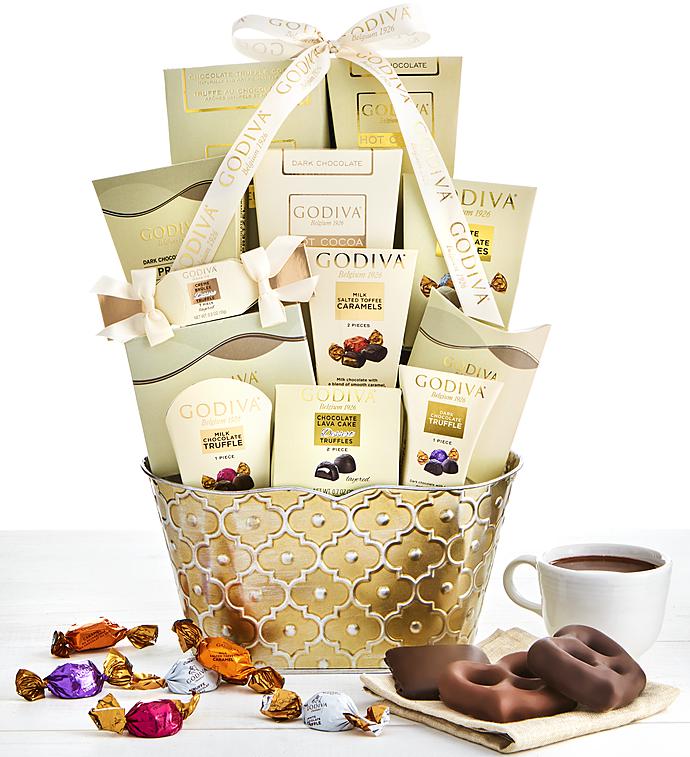
- Air freight is fast but can expose chocolate to extreme temperature fluctuations. Ground shipping offers more predictable climates but takes longer. Courier services with temperature monitoring (e.g., FedEx Ground with “temperature‑controlled” option) are ideal for high‑value chocolate.
Timing Your Order
Avoid peak shipping seasons (e.g., holidays) when packages are handled more aggressively.
- Order early to allow for buffer time in case of delays. Schedule shipments during cooler parts of the day (early morning or late evening) if using ground transport.
Tracking and Communication
Real‑time tracking lets you intervene before problems arise.
- Use GPS‑enabled services that provide temperature logs. Communicate with the carrier if you notice any deviation from the set temperature range.
---
Customer Experience: What to Tell Recipients
Even if the chocolate arrives pristine, the unboxing experience can make or break the gift’s impact.
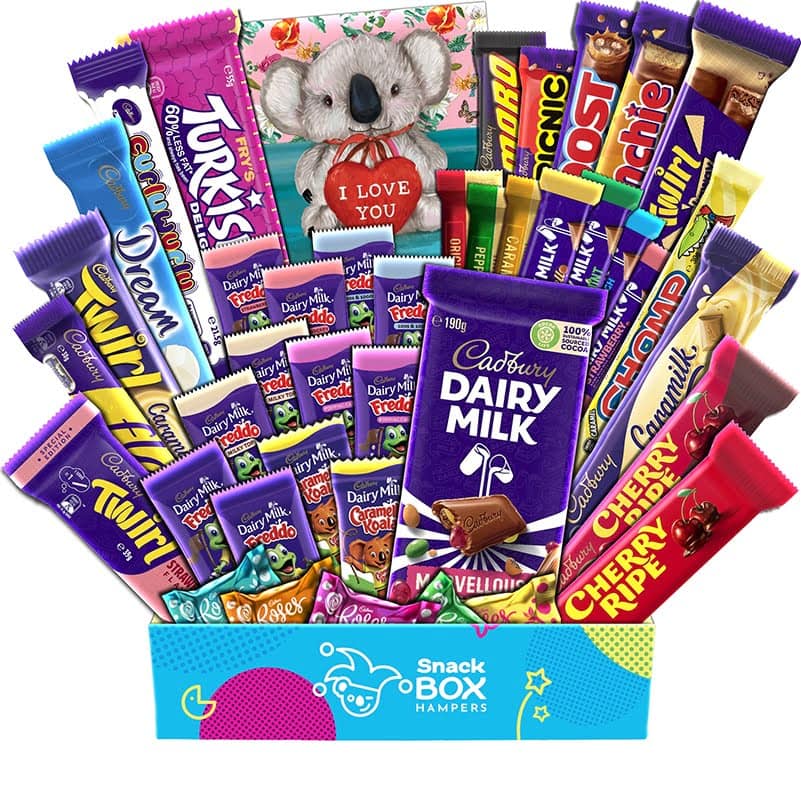
Unboxing Tips
Encourage recipients to open the package in a cool, dry area.
- “Open in a shaded spot” to avoid sudden temperature spikes. Use a small, insulated cooler for a short wait if the chocolate is still warm.
Storage After Delivery
After delivery, proper storage preserves quality for weeks.
- Store in a pantry or cupboard at 55–60 °F (13–16 °C). Avoid the refrigerator unless the chocolate is already bloomed—cooling can worsen the texture.
---
A Sweet Anecdote
When I first tried shipping a box of artisanal dark chocolate to a client in Seattle, I chose the “cooling pack” route and sent it via overnight courier. The package arrived a day early, and the client opened it in the kitchen—just after a 90‑minute dinner prep. The chocolate was warm, the room temperature was 80 °F, and the bar had a faint bloom. The client laughed, “I guess the chocolate decided to get a little extra sun!” That moment reminded me that even the best plans can be thwarted by everyday life. The lesson? Offer clear unboxing instructions and a little humor—because a chuckle can soften a tiny disappointment.
> “The best chocolate is the one you can’t keep from smiling about.” – Anonymous
---
Sweet Success: Turning Delivery Into Delight
Now that you know how to keep chocolate fresh during delivery, https://www.slideserve.com/kinoelphrn/sweet-success-choosing-the-perfect-lactose-free-graduation-sweet-chocolate-gift you can turn every shipment into a memorable experience. From insulated boxes to careful carrier selection, each step safeguards the cocoa’s integrity. Remember the key points:
- Maintain 55–60 °F and <60 % humidity. <strong> Use insulated, airtight packaging with cooling packs. Choose a carrier with temperature control and track in real time. Guide recipients on unboxing and storage to preserve quality.
With these practices, your chocolate will arrive as delightful as the day it left the factory—ready to melt in the mouth, not on the table.
If you’re ready to elevate your chocolate shipping game, start by reassessing your current packaging and carrier choices. A small tweak can mean the difference between a perfectly preserved bar and a soggy, bloomed disappointment. Sweet shipping, everyone!